In the modern world, LED lighting has become the go-to solution for a wide range of applications, from residential lighting to large-scale commercial and industrial installations. Known for their energy efficiency, long lifespan, and environmental benefits, LEDs have truly revolutionized the lighting industry. However, the true performance of LED lights hinges on one crucial component: the LED driver.
An LED driver is more than just a power supply for the LED light; it plays a pivotal role in ensuring optimal operation, precise control, and energy savings. The technical aspects of LED drivers are key to understanding how they contribute to the overall performance of the lighting system. Whether you are upgrading your lighting setup or designing a new one, understanding the technical specifications and features of LED drivers can make a significant difference in achieving superior lighting control and efficiency.
In this article, we will explore the various technical aspects of LED drivers that contribute to better lighting control, including power regulation, dimming capabilities, voltage and current specifications, and more. By the end, you will have a deeper understanding of how to select the right LED driver for your specific lighting needs.
What is an LED Driver?
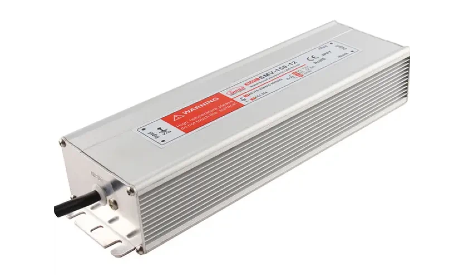
An LED driver is an essential component in an LED lighting system. It regulates the electrical power required for the LED to function properly. Unlike traditional incandescent or fluorescent bulbs that can run directly off standard AC power, LED lights operate using direct current (DC). However, most electrical systems supply alternating current (AC). This is where the LED driver comes into play – it converts AC to DC and ensures that the LED lights receive the correct voltage and current.
In addition to voltage conversion, the LED driver also manages the following:
Current Regulation: LEDs require a steady, regulated current to operate efficiently. If the current fluctuates, it can lead to reduced performance or premature failure.
Thermal Management: LED drivers often include features to regulate the temperature of the LEDs to prevent overheating and extend their lifespan.
Dimming and Control: Many LED drivers offer dimming capabilities and integrate with smart control systems to adjust brightness levels and optimize energy usage.
Why are LED Drivers Important?
While the LED light itself is highly efficient, its performance is heavily dependent on the driver. Without the proper driver, the LED may suffer from voltage instability, excessive heat, and fluctuating brightness. A well-designed driver ensures the LEDs operate at their peak efficiency, providing consistent light output, extending their lifespan, and optimizing energy usage.
Key Technical Aspects of LED Drivers
1. Power Regulation
LED lights require a constant flow of electricity, but the amount of voltage and current they need can vary. The LED driver’s primary function is to regulate the power and ensure that the LED receives the right amount of voltage and current. There are two main types of power regulation:
Constant Current Drivers: These drivers regulate the current that flows through the LED while adjusting the voltage as needed. This is the preferred choice for high-power LED lights that have specific current requirements.
Constant Voltage Drivers: These drivers supply a fixed voltage to the LED, and the current will vary based on the load. They are commonly used for applications like LED strips where the voltage is fixed, but the current fluctuates depending on the number of LEDs.
The driver must be chosen to match the power requirements of the LED system. Too much current or voltage can damage the LEDs, while too little can result in insufficient brightness and poor performance.
2. Dimming Capabilities
One of the key features that distinguish modern LED drivers is their ability to dim the lighting. Dimming not only offers greater flexibility in controlling the brightness of the light but also plays a significant role in energy savings.
There are several methods of dimming, including:
Triac Dimming: This is a common dimming method for AC-powered LED systems. It works by cutting off parts of the AC wave, thereby reducing the amount of power delivered to the LED.
0-10V Dimming: A popular dimming method for DC-powered LED systems, where the voltage is varied between 0 and 10 volts to adjust the brightness.
PWM Dimming (Pulse Width Modulation): PWM is used to control the on/off cycle of the LED light, adjusting the brightness by varying the length of time the light is on and off.
Smart Dimming: Integrated with smart lighting systems, this method uses sensors or smart apps to adjust the brightness based on environmental conditions, occupancy, or user preferences.
Benefits of Dimming:
Energy Efficiency: Dimming reduces the power consumption of the LEDs when full brightness is not necessary, leading to significant energy savings.
Extended LED Lifespan: Dimming not only conserves energy but also reduces the heat generated by the LED, which can prolong its lifespan.
Improved Lighting Control: Dimming provides flexibility in adjusting the lighting to suit different tasks, moods, or times of day.
3. Thermal Management and Heat Dissipation
LEDs are sensitive to heat, and excessive temperatures can significantly shorten their lifespan and degrade performance. While the LED driver itself does not directly generate light, it plays a critical role in managing the heat generated by the LED system.
Many LED drivers come with built-in thermal management features such as:
Over-temperature Protection: If the temperature exceeds a certain threshold, the driver may reduce the output or shut down temporarily to prevent damage to the LED.
Heat Sinks: Some LED drivers include heat sinks to absorb and dissipate excess heat away from the LED system, keeping the light at an optimal operating temperature.
Active Cooling: In high-power applications, the driver may have fans or liquid cooling systems to help manage heat more effectively.
4. Input Voltage Range
LED drivers need to be compatible with the voltage supplied by the electrical grid. Different regions have different standards for voltage, so the LED driver should be capable of handling a wide input voltage range.
Universal Input Voltage: Some drivers are designed to work with a wide voltage range (e.g., 100V to 277V AC) to accommodate different electrical systems. This is especially useful for businesses operating in multiple regions or with varying power sources.
Single-Voltage Input: Other LED drivers are designed to work with a specific voltage range. For example, a driver might be designed for a 220V system or a 12V DC setup.
Selecting the right driver ensures that the LED lighting system operates reliably regardless of regional power variations.
5. Power Factor and Efficiency
A key metric of an LED driver’s performance is its power factor, which measures how efficiently the driver converts electrical power. The power factor is a ratio of the real power used to do work (in watts) to the apparent power supplied (in volt-amperes). A higher power factor indicates more efficient use of power.
High Power Factor: LED drivers with a high power factor ensure that the system consumes less electricity, reducing operating costs and improving energy efficiency.
Low Power Factor: Drivers with a low power factor waste energy, leading to higher utility bills and inefficient operation.
6. Reliability and Safety Features
LED drivers are designed to ensure the safe operation of the entire lighting system. These safety features include:
Overvoltage and Overcurrent Protection: To prevent electrical damage to the LED and driver, these features protect the system from power surges or excessive current.
Short-Circuit Protection: If there is a short circuit in the system, the driver will automatically shut down to prevent further damage or fire hazards.
Electromagnetic Interference (EMI) Protection: Good LED drivers are designed to reduce or eliminate electromagnetic interference that can cause other electronic devices to malfunction.
7. Smart LED Drivers
With the rise of smart lighting and IoT (Internet of Things), many LED drivers now come with wireless connectivity features, allowing integration with smart control systems. These smart LED drivers can be controlled via mobile apps, voice assistants, or automated systems.
Remote Control: Users can adjust brightness levels, change lighting scenes, or even schedule lighting routines from their smartphones or smart home systems.
Energy Monitoring: Some smart drivers offer energy monitoring, allowing businesses to track energy consumption and optimize lighting for maximum savings.
Integration with Building Management Systems (BMS): Smart LED drivers can be integrated into building management systems for large-scale energy management and control.
Conclusion
LED drivers play a crucial role in optimizing the performance of LED lighting systems. From regulating power, enabling dimming, managing heat, and ensuring energy efficiency, the technical features of an LED driver determine the overall effectiveness and reliability of the lighting system. Whether you are upgrading your current lighting setup or planning a new installation, understanding the technical aspects of LED drivers is essential to achieving superior lighting control and energy savings.
At Zhejiang Ximeng Electronic Technology Co., Ltd., we specialize in providing high-quality LED drivers tailored to meet the needs of various commercial and industrial lighting systems. With our commitment to innovation and reliability, we help businesses enhance their lighting systems’ performance, energy efficiency, and sustainability.