The world of lighting has evolved significantly over the years, and LED lighting has become a cornerstone in this transformation. Light Emitting Diodes (LEDs) are known for their energy efficiency, long lifespan, and environmental benefits, making them a popular choice for residential, commercial, and industrial lighting. However, to make these benefits a reality, an essential component is required to control and regulate the electrical power to the LED: the LED driver.
In this article, we will explore what an LED driver is, how it functions, and why it is a crucial element in your lighting system. Understanding this component is key for maximizing the performance and efficiency of your LED lighting setup.
What is an LED Driver?
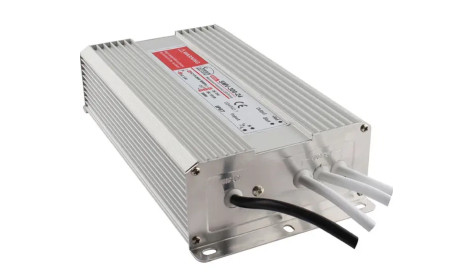
An LED driver is an electronic device that provides power to an LED light source. Just like any light bulb, LEDs require a specific voltage and current to operate correctly. Unlike traditional incandescent or halogen bulbs that can run directly from a standard power source, LEDs require a controlled power supply to function optimally. This is where the LED driver comes into play.
Essentially, the LED driver ensures that the right amount of power reaches the LED light, keeping it stable, efficient, and safe to use. It adjusts the incoming voltage and current from your electrical supply to the levels that are appropriate for the LED to operate.
Key Functions of an LED Driver
Voltage Regulation: LEDs require a constant voltage to operate. Since the power supply from the electrical grid can fluctuate, the LED driver ensures that the voltage supplied to the LED remains constant, protecting it from damage due to voltage spikes.
Current Regulation: LEDs are current-driven devices, meaning they work best when supplied with a steady and controlled current. The LED driver controls the amount of current that flows to the LED to prevent it from burning out or malfunctioning.
Power Conversion: Most electrical systems supply alternating current (AC), but LEDs require direct current (DC) to operate. The LED driver converts the AC from the grid into the DC that the LED needs to function.
Dimming and Control: Many LED drivers come with dimming capabilities, allowing the brightness of the light to be adjusted according to the needs of the user. Advanced drivers may also feature smart controls, enabling integration with smart home systems.
Why is an LED Driver Essential for Your Lighting System?
The LED driver is not just a luxury component—it is an essential part of any LED lighting system. Here are several reasons why it is so important:
1. Efficiency and Longevity
One of the main reasons people opt for LED lighting is its energy efficiency. However, to ensure that you get the most out of your LED lighting, an appropriate LED driver is necessary. The driver regulates the flow of electricity, preventing the LED from receiving too much power, which could lead to overheating and premature failure.
The driver also ensures that the LED operates at its optimal current and voltage, leading to greater energy savings and a longer lifespan for the LED itself. Without a proper LED driver, an LED would burn out much more quickly, reducing its lifespan and efficiency.
2. Protection Against Overvoltage and Overcurrent
LEDs are particularly sensitive to electrical fluctuations, and without a driver, they can easily be exposed to harmful overvoltage or overcurrent, both of which can cause irreparable damage.
The LED driver protects the LED from these dangers by regulating the amount of current and voltage. For example, if there is a sudden voltage spike in the electrical system, the driver will absorb and manage that power surge, ensuring that the LED remains unaffected.
3. Ensuring Consistent Light Output
LEDs can be sensitive to fluctuations in the power supply, leading to flickering or inconsistent light output. A good LED driver ensures that the LED receives a consistent and stable supply of current and voltage, resulting in uniform brightness without flickering. This is particularly important in environments like offices, hospitals, or retail stores, where consistent lighting is crucial.
4. Integration with Smart Lighting Systems
As smart home technology continues to grow in popularity, many people are integrating their lighting systems with smart home platforms. An LED driver can be an integral part of this setup, providing advanced features like dimming, motion detection, and even color temperature control.
Some advanced LED drivers are equipped with wireless communication protocols such as Wi-Fi, Bluetooth, or Zigbee, allowing users to control their lighting remotely through apps or smart assistants like Alexa or Google Home. This makes the LED driver an essential component for creating a fully integrated smart lighting system.
5. Improved Performance in Harsh Environments
LED drivers help ensure that LEDs can perform optimally in harsh conditions, such as extreme temperatures or humidity. Since LEDs are commonly used in industrial and outdoor environments, it’s critical that the LED driver is built to withstand these conditions and still deliver a steady current.
LED drivers are available with different IP ratings (Ingress Protection) to guard against dust, moisture, and other environmental factors. This makes them ideal for use in environments like warehouses, garages, outdoor signage, and factories, where environmental protection is necessary.
6. Cost-Effective and Low Maintenance
While investing in an LED driver might seem like an added cost, it can actually save you money in the long run. Since the driver ensures that the LED operates efficiently, it can reduce energy consumption and improve the lifespan of your LED lights, thus lowering overall lighting costs.
In addition, LEDs have a long lifespan compared to other lighting technologies, often lasting for 50,000 hours or more. The LED driver helps to ensure that the light source is maintained for these long periods, reducing the need for frequent replacements and maintenance.
Types of LED Drivers
LED drivers come in various types, depending on the nature of the LED system and its specific requirements. Here are the most common types of LED drivers:
1. Constant Current LED Drivers
These drivers maintain a fixed current level regardless of voltage fluctuations. They are designed for LEDs that require a consistent current to operate efficiently. This type of driver is commonly used in high-power LEDs like those used in streetlights and industrial lighting.
2. Constant Voltage LED Drivers
Constant voltage drivers are used for LEDs that require a specific voltage (usually 12V or 24V DC). These are commonly used in LED strips, tape lights, and signage, where the voltage needs to be regulated, but the current can vary.
3. Dimmable LED Drivers
These drivers offer dimming capabilities, allowing users to adjust the brightness of their LED lights. They may be compatible with standard dimmer switches or smart controls, providing greater flexibility in controlling lighting levels.
4. Programmable LED Drivers
These are advanced drivers that allow users to customize the performance of their LED system, including brightness levels, power limits, and even color temperature. They are commonly used in smart lighting systems and commercial applications.
5. Multi-Output LED Drivers
These drivers are capable of driving multiple LED channels simultaneously. They are commonly used in architectural lighting and multi-zone lighting systems, where different groups of LEDs need to operate at different settings.
How to Choose the Right LED Driver
Selecting the right LED driver depends on several factors, including:
Power Requirements: Match the driver’s output power (voltage and current) with the needs of your LED lights.
Application Type: Choose a driver suited to the environment (indoor or outdoor), the size of your LED system, and whether you need dimming capabilities.
Efficiency: Consider drivers with high power factor and energy efficiency to reduce energy consumption.
Dimming Features: If you need dimming functionality, ensure the driver is compatible with your dimming system.
Conclusion
The LED driver is an indispensable component in any LED lighting system. It ensures that the LED receives the correct amount of power, stabilizes performance, and protects the light source from damage. Whether you're looking to increase energy efficiency, improve lighting quality, or create a smart lighting system, the right LED driver plays a vital role.
By understanding the importance of the LED driver, you can make informed decisions about lighting installations, ensuring longevity, energy savings, and consistent performance in your lighting setup. Whether you’re outfitting your home, office, or industrial space with LED lights, remember that the LED driver is the unsung hero that helps bring your lighting system to life.