
- All
- Product Name
- Product Keyword
- Product Model
- Product Summary
- Product Description
- Multi Field Search

Views: 0 Author: Site Editor Publish Time: 2025-10-25 Origin: Site


In today's world, LED lighting is the go-to solution for businesses seeking energy-efficient, long-lasting, and cost-effective lighting. From small offices to large commercial spaces, LED lights offer numerous advantages, including lower energy consumption and longer operational life. However, one of the most critical components in ensuring that your commercial LED lights perform optimally is choosing the right LED driver.
An LED driver is a crucial element of any LED lighting system. It regulates the power supplied to the LEDs and ensures they operate efficiently and effectively. In this article, we will explore what an LED driver is, the different types available, and how to choose the right one for your commercial lighting needs.
An LED driver is an electrical device that converts the power from a standard electrical supply to the appropriate voltage and current needed to power Light Emitting Diodes (LEDs). Unlike traditional incandescent or fluorescent lights, which can run directly from the electrical grid, LEDs need a controlled power supply to function correctly. The LED driver ensures that the right amount of power reaches the LEDs, allowing them to perform at their best and maintain longevity.
The LED driver serves several essential functions:
Voltage and Current Regulation: LEDs are sensitive to fluctuations in voltage and current, which can reduce their lifespan and cause inconsistent performance. The LED driver ensures that the LEDs receive a constant current and voltage.
Energy Conversion: Most electrical systems provide alternating current (AC), but LEDs operate on direct current (DC). The LED driver converts the AC power from the grid into DC power that the LED lights need.
Dimmer and Smart Control Integration: Many LED drivers come with integrated dimming capabilities or are compatible with smart control systems. This feature allows users to adjust the brightness or change the color temperature according to their needs.
Without the correct LED driver, your LED lights may not function properly, leading to wasted energy, reduced lifespan, and inefficient lighting.
Choosing the right LED driver is crucial for several reasons, particularly in a commercial setting. Inadequate or incorrect drivers can lead to a range of problems, including energy inefficiency, high operating costs, and poor lighting performance. Let’s take a closer look at why selecting the right LED driver is so important for your commercial lighting needs:
One of the primary reasons for choosing LED lights over traditional lighting technologies is their energy efficiency. However, the efficiency of an LED light is highly dependent on the driver. If the driver is not properly matched to the LEDs, it can lead to inefficiency, overheating, and unnecessary power consumption. A good quality LED driver ensures that the LED operates at its optimal efficiency, providing maximum brightness while minimizing energy waste.
For commercial spaces like offices, retail stores, and warehouses, where lights are on for long hours, maximizing energy savings can result in significant cost reductions over time.
LEDs are known for their long lifespan compared to traditional light bulbs. However, their lifespan can be significantly reduced if they are not powered by the right LED driver. When an LED receives the wrong amount of voltage or current, it can cause premature failure, leading to frequent replacements.
The right LED driver regulates the power supplied to the LED, protecting it from voltage spikes and current surges. This prolongs the life of the LED, ensuring that your lighting system remains efficient and effective for years to come.
Another benefit of choosing the right LED driver is the consistent light output it provides. Without proper regulation, LEDs may flicker or have uneven brightness, resulting in poor lighting quality. In commercial settings, consistent lighting is essential for both functionality and aesthetics.
For example, in office spaces, inconsistent lighting can cause discomfort and affect productivity. In retail environments, inconsistent lighting can impact the visual appeal of products. A reliable LED driver ensures that your lighting output is stable, flicker-free, and uniform throughout the space.
Many commercial lighting setups require dimming or smart control features to meet various lighting needs throughout the day. Whether it's adjusting the brightness for different times of day or integrating lighting into a smart building system, the right LED driver enables these advanced features.
Some LED drivers are dimmable, allowing you to adjust the light intensity according to your needs. Dimming is essential in spaces like conference rooms, hospitality settings, and theaters where lighting needs change frequently. Additionally, modern LED drivers may be compatible with smart lighting systems, offering features like remote control, scheduling, and integration with other building systems.
An LED driver not only ensures that your lights operate properly, but it also provides crucial protection for your lighting system. High-quality drivers are equipped with safety features like overcurrent protection, overvoltage protection, thermal protection, and short-circuit protection. These features help prevent damage to the LEDs and reduce the risk of fire or electrical hazards in commercial spaces.
In high-traffic commercial environments or industrial applications, these safety features are critical to ensure that your lighting system remains reliable and safe for long-term use.
LED lights come in many different sizes, shapes, and configurations. Therefore, it’s important to choose an LED driver that is compatible with the specific type of LED system you're using. If the driver is not suitable for the type of LEDs, it may lead to issues such as inefficient power use, overheating, and poor performance.
It is essential to match the driver's output (in terms of voltage and current) with the needs of the LED system. This ensures that the lights are powered correctly and operate at their full potential.
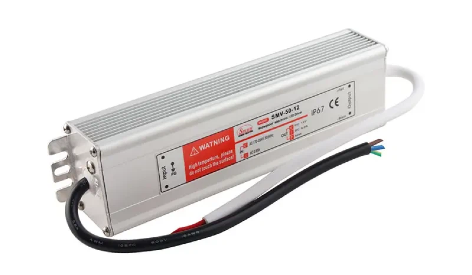
LED drivers come in different types depending on the application and the specific needs of the lighting system. Below are some of the most common types of LED drivers used in commercial lighting:
These drivers provide a consistent current to the LED, which is essential for many commercial LED lights. They are commonly used in high-power LEDs, such as those used in street lights, floodlights, and industrial lighting. Constant current drivers are ideal for applications where the current needs to remain stable while the voltage varies according to the load.
Constant voltage drivers are used in LED systems that require a fixed voltage, such as LED strips or signage lights. These drivers are designed to maintain a steady voltage, while the current may vary based on the connected load. Constant voltage drivers are essential for applications where uniform voltage is needed across the entire LED system.
Dimmable LED drivers allow users to adjust the brightness of their LED lights. They are commonly used in office lighting, conference rooms, and other spaces where adjustable light levels are needed. Dimmable drivers can be controlled through a variety of methods, including manual dimmer switches or smart systems that adjust brightness automatically based on ambient light levels.
Smart LED drivers are designed to integrate with smart lighting systems, allowing for advanced features like remote control, scheduling, and motion sensing. These drivers are often compatible with smart home automation platforms like Google Home, Amazon Alexa, or Zigbee, enabling users to control their lighting systems remotely.
Some LED lights come with integrated drivers, meaning the driver is built directly into the LED fixture. This design is commonly used in LED panel lights and downlights, simplifying installation and reducing the number of components needed.
Multi-output LED drivers are used when powering multiple LED systems from a single driver. These drivers can supply different outputs to various parts of a commercial building, such as task lighting, ambient lighting, and accent lighting, making them ideal for complex commercial setups.
When selecting an LED driver for your commercial lighting needs, several factors should be considered:
First, ensure that the LED driver matches the power needs of your LED lights. Check the voltage and current specifications of both the driver and the LED to ensure compatibility. A mismatch can result in poor performance and reduced lifespan.
Consider the type of LED lights you're using. Are they high-power LEDs, LED strips, or specialty lights? The type of LED will determine whether you need a constant current or constant voltage driver.
If your business requires dimming or smart lighting controls, make sure the LED driver supports these features. Dimmable drivers or smart drivers may be more expensive, but they provide added functionality and flexibility.
Choose a driver that is energy-efficient and has built-in safety features, such as overload protection or thermal management. Energy-efficient drivers will help reduce your operating costs over time, while safety features will protect your lighting system and ensure reliable operation.
Consider the environmental conditions where the LED system will be used. If the lights are for outdoor use or in harsh environments, make sure to choose an IP-rated driver that can withstand moisture and dust.
Choosing the right LED driver for your commercial lighting system is essential to ensure optimal performance, efficiency, and safety. By evaluating the power requirements, type of LED lights, dimming features, and safety capabilities, you can select a driver that aligns with your specific needs. This will not only enhance the lifespan of your lighting system but also help you save energy and reduce costs.
At Zhejiang Ximeng Electronic Technology Co., Ltd., we offer high-quality LED drivers designed to meet the unique demands of commercial lighting. With our expertise and commitment to innovation, we help businesses improve lighting performance while optimizing energy use and minimizing expenses.