
- All
- Product Name
- Product Keyword
- Product Model
- Product Summary
- Product Description
- Multi Field Search

Views: 0 Author: Site Editor Publish Time: 2025-10-22 Origin: Site


In the modern world, where energy efficiency and sustainability are key concerns, LED lighting has emerged as a leading solution for reducing energy consumption. Among the components that contribute to the exceptional energy savings of LED systems, one of the most important is the LED driver. Although often overlooked, the LED driver plays a pivotal role in ensuring that LED lights function optimally and efficiently, while also contributing significantly to overall energy savings.
In this article, we will explore the role of LED drivers in energy-efficient lighting solutions, explain how they work, and outline the various ways in which they help improve the performance and efficiency of LED lights. By the end, you will have a clearer understanding of why selecting the right LED driver is crucial for optimizing energy savings in both residential and commercial lighting systems.
An LED driver is an electronic device that regulates the power supplied to an LED light. LEDs require a precise and constant flow of electricity, unlike traditional incandescent or fluorescent lights that can directly operate on standard electrical current. LED drivers are essential for converting the input power—usually alternating current (AC)—into direct current (DC), which is what LEDs require to function.
Beyond simply converting AC to DC, LED drivers also perform other vital functions, including:
Voltage regulation to ensure the LEDs receive a steady and appropriate supply of voltage.
Current regulation to maintain a consistent flow of electricity, protecting the LEDs from fluctuating currents that can cause malfunction or premature failure.
Dimming and control features to adjust the brightness of LED lights, which can further enhance energy efficiency.
Safety features like overcurrent protection and thermal management to ensure the longevity and safe operation of the system.
An effective LED driver maximizes the performance of LED lights, ensuring that they run smoothly and at their most energy-efficient levels.
LED lighting is known for its energy efficiency, often consuming up to 80% less energy compared to traditional lighting technologies like incandescent bulbs and fluorescent lights. However, without the proper LED driver, this energy savings can be compromised. Here's how the right LED driver contributes to maximizing the energy efficiency of an LED lighting system:
One of the primary functions of an LED driver is to regulate the power supply to the LED light, ensuring that the voltage and current remain stable. Voltage and current fluctuations can affect the performance of LEDs, causing them to use more energy than necessary or even damaging the light source.
A high-quality LED driver ensures that the LED operates within the manufacturer’s specified voltage and current ranges, optimizing power consumption. By delivering just the right amount of power to the LEDs, the driver prevents excess energy consumption and guarantees maximum efficiency, which translates to lower utility bills and a reduced carbon footprint.
Dimming capabilities are a crucial factor in energy-efficient lighting. Not all lighting needs to be at full brightness at all times. In spaces such as offices, conference rooms, retail stores, and warehouses, lighting can often be adjusted based on the level of ambient light, the time of day, or the specific task being performed.
Many modern LED drivers offer dimming features that allow users to adjust the brightness of the LED lights. This can save substantial energy, as reducing the brightness reduces the amount of power the LEDs consume. Dimming can also extend the lifespan of the LEDs by decreasing the amount of heat generated, which further enhances the energy efficiency of the system.
Moreover, smart LED drivers that integrate with smart building systems allow for dynamic control of lighting. For example, lighting can automatically adjust based on occupancy or natural light levels, ensuring energy is used only when needed.
The power factor of an LED driver is an important indicator of how efficiently it converts electrical power. A high power factor means that the driver is able to deliver power to the LED more efficiently, without wasting energy.
An LED driver with a high power factor will reduce the amount of wasted energy, improving the overall energy efficiency of the system. Poor power factor drivers can result in wasted energy, leading to higher electricity bills and less effective lighting. By choosing an LED driver with a high power factor, businesses and homeowners can ensure that their lighting systems are as efficient as possible.
With the rise of smart lighting systems, many LED drivers now come with built-in intelligence. These smart LED drivers are capable of responding to environmental changes—such as changes in ambient light levels or the presence of people in a room. As a result, the lights can automatically adjust their brightness or even turn off when not needed, ensuring that energy is used efficiently.
For example, motion sensors combined with LED drivers can ensure that lights only stay on when there is activity in a room. This feature is particularly beneficial for office buildings, hallways, bathrooms, and warehouses where lighting is often left on unnecessarily.
Incorporating these intelligent control features reduces energy waste, further enhancing the overall energy savings of the system.
Overheating is a common problem that can reduce the efficiency of lighting systems and significantly shorten the lifespan of LEDs. Excess heat can cause LEDs to burn out faster and waste energy. The role of the LED driver in thermal management is crucial in maintaining the operational temperature of the LED lights.
Advanced LED drivers are designed with overheating protection mechanisms, ensuring that the LEDs don’t overheat even in high-load or high-temperature environments. By regulating temperature, the driver extends the life of the LED lights and ensures that they continue to operate efficiently over time. This thermal management feature prevents the need for frequent replacements and the associated waste of energy and resources.
While the initial investment in a high-quality LED driver might seem like an added expense, it’s important to consider the long-term benefits. By regulating the energy supply to the LEDs, LED drivers help to significantly reduce energy consumption. This, in turn, reduces electricity bills for businesses and homeowners alike.
Moreover, energy-efficient LED drivers extend the lifespan of the LED lights, reducing the frequency of replacements and maintenance costs. In commercial settings where lighting systems are often on for long hours, the savings over time can be substantial.
In fact, the return on investment (ROI) for switching to an energy-efficient LED system with the right driver is often realized within a few years due to lower energy bills and maintenance costs.
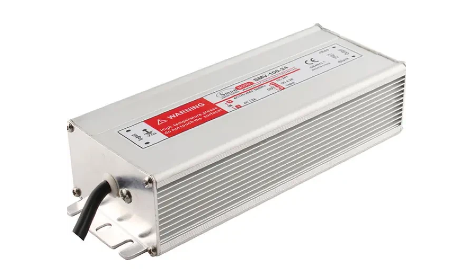
When selecting an LED driver for your lighting system, there are several factors to consider to ensure optimal energy efficiency:
Ensure that the LED driver is compatible with the type of LEDs you are using. Pay attention to the voltage, current, and wattage specifications to ensure the driver will operate efficiently.
If you require dimming capabilities, ensure that the LED driver supports it. Dimmer-compatible drivers will allow you to adjust the brightness of your lights, reducing energy consumption when full brightness is unnecessary.
Choose a driver with a high power factor to ensure efficient power delivery and minimize wasted energy. A high-efficiency driver will also convert more of the incoming power into usable energy for the LED, further enhancing overall energy savings.
If you want to integrate your lighting system into a smart building setup, look for LED drivers with smart capabilities such as motion sensors, ambient light sensing, or remote control features. These features help ensure that energy is only used when needed, leading to greater energy savings.
Make sure the LED driver has built-in protection for temperature regulation. This feature prevents overheating, extending the lifespan of your LED system and preventing energy waste.
The LED driver plays a crucial role in ensuring that your LED lighting system operates efficiently, lasts longer, and contributes to significant energy savings. By regulating the power, offering dimming features, and incorporating thermal management and smart controls, LED drivers optimize the performance of LED lights while minimizing energy waste.
Choosing the right LED driver for your lighting system is essential to maximizing the energy efficiency of your setup. Whether you’re outfitting a commercial building, a warehouse, or a residential space, selecting an appropriate driver can result in lower electricity bills, reduced maintenance costs, and an overall more sustainable lighting solution.