Choosing the right LED driver is a fundamental step for any lighting project, whether it’s a residential home, commercial office, retail environment, or hospitality space. Among the many decisions you face, one of the most critical is determining whether you need a dimmable or non-dimmable LED driver. This choice can influence not only the flexibility of your lighting system but also energy efficiency, overall performance, and long-term maintenance. At Zhejiang Ximeng Electronic Technology Co., Ltd., we specialize in designing LED drivers that are both reliable and easy to install, offering flexible dimming solutions that accommodate a wide variety of LED fixtures. In this article, we will guide you through the intricacies of dimmable versus non-dimmable LED drivers, explain the different dimming technologies available, and explore practical use cases to help you make a confident choice.
What “Dimmable” Really Means for an LED Driver
A dimmable LED driver is not just a standard power supply; it is an intelligent controller that adjusts the output of LED fixtures to achieve variable brightness levels. Unlike non-dimmable drivers, which supply a constant voltage or current, dimmable drivers respond to dimming controls, allowing the user to increase or decrease light output while maintaining consistent performance.
Dimmable LED drivers are particularly beneficial for applications that require a changeable lighting environment. They enable mood setting, energy savings, and greater control over the lighting intensity. In addition, modern dimmable drivers from Zhejiang Ximeng incorporate advanced circuitry to minimize flicker, noise, and thermal stress on LED components.
Types of Dimming: PWM, 0–10V, and TRIAC
Understanding the types of dimming technologies is crucial to choosing a compatible driver:
Pulse Width Modulation (PWM) Dimming: PWM operates by rapidly turning the LED on and off at high frequency. By adjusting the duty cycle—the ratio of “on” time to “off” time—the perceived brightness can be precisely controlled. PWM dimming is highly efficient and provides smooth control over dimming levels, but it requires LED fixtures that are compatible with PWM signals to avoid flickering or uneven light output.
0–10V Dimming: This method uses a separate low-voltage control signal ranging from 0V (minimum brightness) to 10V (maximum brightness). It is commonly used in commercial environments like offices, shopping malls, and hotels because it allows multiple fixtures to be controlled simultaneously with a single dimming signal. Linear dimming curves ensure smooth and consistent brightness adjustments.
TRIAC Dimming (Leading/Trailing Edge): TRIAC dimming is often used in residential settings with conventional wall dimmers. Leading-edge dimmers cut the front of the AC waveform and are compatible with most older incandescent dimmers. Trailing-edge dimmers, on the other hand, cut the back of the waveform and are better suited for modern LED loads, reducing flicker and noise. Choosing the correct TRIAC type ensures stable performance and prevents compatibility issues.
At Zhejiang Ximeng, our dimmable LED drivers support multiple dimming protocols, providing compatibility with a wide array of dimmers and reducing installation complexities for both professional and DIY projects.
Benefits and Trade-Offs of Dimmable Drivers
Selecting a dimmable LED driver brings significant advantages, but there are also considerations to be aware of.
Benefits
Enhanced Ambiance Control: Adjusting brightness levels allows you to create the perfect atmosphere for any environment. Restaurants can transition from bright dining lighting to cozy evening moods, and offices can adjust brightness according to natural light levels.
Energy Savings: Dimming LEDs reduces energy consumption. Even a modest decrease in brightness can result in noticeable reductions in electricity use over time, supporting sustainability initiatives.
Extended LED Life: Running LEDs at reduced brightness decreases thermal stress and prolongs their lifespan, preventing premature failure and reducing maintenance costs.
Versatility Across Applications: Dimmable drivers can be integrated with different LED fixture types such as panel lights, downlights, and strip lights, allowing consistent dimming performance across mixed installations.
Trade-Offs
Higher Cost: Dimmable drivers are generally more expensive than non-dimmable alternatives, although the benefits often outweigh the initial investment.
Increased Installation Complexity: Ensuring compatibility with dimmers, handling wiring configurations, and testing multiple fixtures can require additional planning and expertise.
Potential Compatibility Issues: Not all LEDs respond well to all dimming methods. Choosing the wrong combination of dimmer and driver can result in flickering, reduced dimming range, or noise.
By carefully selecting high-quality dimmable drivers from Zhejiang Ximeng, you can mitigate these trade-offs, ensuring consistent performance while enjoying the benefits of flexible lighting control.
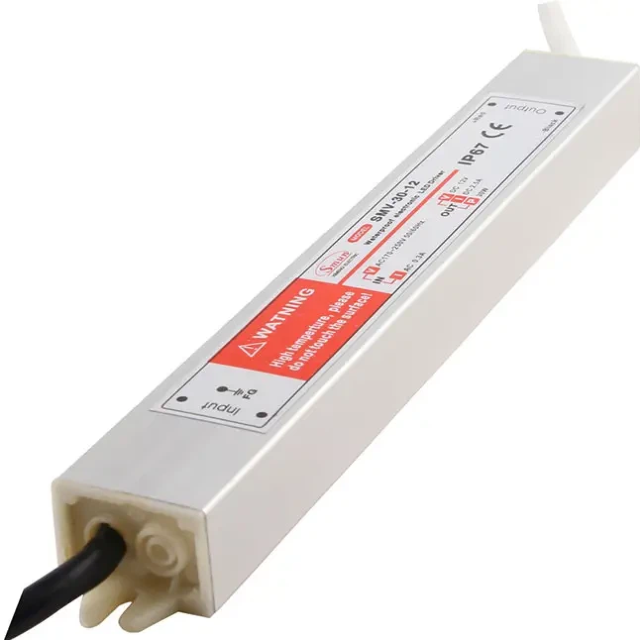
How to Match Dimmer and Driver: Compatibility Checklist
Ensuring your dimmer and LED driver work together is crucial for achieving smooth, flicker-free lighting. Here’s a detailed checklist for compatibility:
Check LED driver specifications: Verify the dimming types supported by the driver (PWM, 0–10V, TRIAC) and the voltage range it accommodates.
Confirm dimmer ratings: Ensure your chosen dimmer can handle the total wattage of the LED driver and connected fixtures.
Observe minimum load requirements: Some dimmers require a minimum connected load to function properly. Installing too few LEDs may result in erratic dimming.
Test sample units: Always trial a small set of fixtures with your dimmer before full installation. This allows you to identify potential issues before scaling up.
Testing Tips and Spec Sheet Consultation
Always consult the datasheet of your LED driver for specific details:
Maximum and minimum dimming levels
Supported dimming curve (linear, logarithmic, or S-curve)
Electrical compatibility with fixture types
Proper planning ensures optimal performance, reduces post-installation troubleshooting, and increases the satisfaction of both installers and end users.
Practical Use-Cases: Hospitality, Homes, Retail, and Offices
Dimmable LED drivers have practical applications across multiple environments:
Hospitality: Hotels, restaurants, and lounges require lighting that can transition from bright functional illumination to warm, ambient moods. Dimmable drivers allow seamless adjustment to match different areas and times of day.
Residential Homes: Homeowners benefit from dimmable drivers in living rooms, bedrooms, kitchens, and home theaters, where adjustable lighting enhances comfort and usability.
Retail Spaces: Shops can adjust lighting intensity to highlight products, improve visibility, and create an inviting atmosphere, enhancing customer experience and potentially boosting sales.
Offices: Adjustable lighting in offices helps reduce glare, complement natural daylight, and improve productivity. Workspaces can shift from bright task lighting to softer settings for meetings or presentations.
The LED drivers from Zhejiang Ximeng support a wide range of LED fixtures, providing reliable, flicker-free dimming in each of these scenarios.
Troubleshooting Dimming Problems
Even with compatible drivers, users may encounter dimming issues. Here are common problems and solutions:
Flicker: Often caused by incompatible dimmers or low-quality drivers. Ensure the driver supports your chosen dimming method and test the dimmer-driver combination.
Minimum Load Requirements: Many dimmers require a minimum total wattage. Installing fewer LEDs than required can lead to unstable dimming.
Noise or Buzzing: Electrical interference or mismatched dimmer types can produce audible noise. High-quality drivers with proper circuitry, like those from Zhejiang Ximeng, minimize this issue.
Limited Dimming Range: Some drivers may not achieve very low brightness levels. Checking datasheets for dimming specifications can prevent this problem.
Using premium dimmable LED drivers ensures consistent performance, reliable dimming, and fewer post-installation complaints.
Why Our Products Stand Out for Dimming Projects
Our LED drivers provide advanced dimming capabilities while remaining easy to install and compatible with multiple types of fixtures, including strip lights, panel lights, and downlights. Key features include:
Flexible Output Options: Adjustable current and voltage settings to match different LED requirements.
Support for Multiple Dimming Protocols: PWM, 0–10V, TRIAC leading and trailing edge.
High-Quality Components: Reducing flicker, noise, and heat for longer LED lifespan.
Installation-Friendly Design: Compact size and clear wiring instructions streamline setup.
By choosing Zhejiang Ximeng LED drivers, users gain a product designed for reliability, versatility, and consistent performance across all dimming scenarios.
Conclusion
Selecting the appropriate LED driver is essential for achieving optimal lighting performance, energy efficiency, and aesthetic control. Understanding the distinction between dimmable and non-dimmable drivers, along with the available dimming technologies, allows for a well-informed decision that enhances lighting flexibility and overall user satisfaction. Zhejiang Ximeng Electronic Technology Co., Ltd. provides high-quality, reliable LED drivers that are compatible with a wide range of fixtures and dimming protocols, ensuring smooth operation and long-term durability. Contact us today to explore our full range of dimmable LED drivers and find the perfect solution for your next project.
FAQ
1. Are LED drivers always dimmable?
No. Only drivers specifically labeled as dimmable can adjust brightness. Non-dimmable drivers provide a constant output and do not support adjustable lighting.
2. Which dimming type is best for commercial spaces?
0–10V dimming is most common for offices, shopping malls, and hospitality projects because it allows smooth, linear control across multiple fixtures.
3. Can a single dimmable driver support multiple dimmer types?
Yes, but it depends on the driver’s specifications. Always review datasheets and test before full installation to ensure compatibility.
4. How can I prevent flicker with dimmable LED drivers?
Use drivers with quality circuitry, ensure dimmer compatibility, meet minimum load requirements, and test the system before large-scale installation.