Introduction
Do you know how a Switching Power Supply works and why it’s crucial in modern electronics? In this article, we’ll explore how these power supplies efficiently convert AC to DC power. You’ll learn about their advantages, applications, and how they differ from traditional power supplies.
How Does a Switching Power Supply Work?
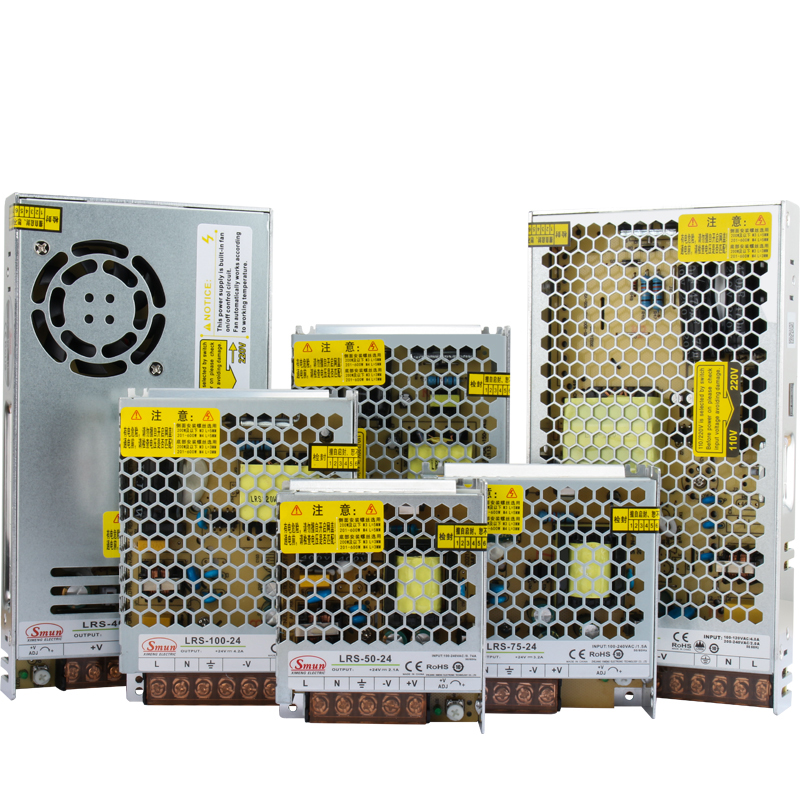
A Switching Power Supply (SMPS) is a crucial component in modern electronic systems. Its job is to convert electrical power from one form to another with high efficiency. To understand how it works, let's break down the process into four main stages:
Basic Working Principle
● Rectification & Filtering The first step in an SMPS is rectification, where alternating current (AC) is converted into direct current (DC). This process typically involves a diode bridge or rectifier, which allows current to flow in one direction. After this, the voltage is filtered using capacitors to smooth out any ripples, providing a stable DC signal.
● High-Frequency Switching The heart of the switching power supply is the high-frequency switching process. At its core, an SMPS rapidly turns a transistor on and off at a frequency typically between 20 kHz and 500 kHz. This action is like flicking a light switch thousands of times per second, allowing the power to be controlled efficiently. Pulse Width Modulation (PWM) is often used to adjust the duration of the "on" and "off" cycles, which controls the output voltage.
● Voltage Transformation Once the voltage is switched on and off, it is passed through a transformer or inductor. This component steps the voltage up or down, depending on the needs of the load. The transformer ensures that the voltage is adjusted to a level that the system can use, whether it's for high or low power.
● Output Rectification Finally, the voltage that has been transformed is rectified again. The second rectification stage ensures that the output is stable and free of any high-frequency noise, providing a clean DC voltage to power the load.
Switching Power Supply vs Linear Power Supply
When comparing Switching Power Supplies (SMPS) to Linear Power Supplies, there are several important differences to consider. Each type has its advantages and is suited to specific applications, but overall, switching power supplies offer several key benefits.
Key Differences
Feature | Switching Power Supply | Linear Power Supply |
Efficiency | 80-95%, higher efficiency | ~50%, energy loss due to heat |
Size & Weight | Compact and lightweight | Larger and heavier |
Noise & EMI | Moderate to high, manageable with filtering | Very low |
Cost-Effectiveness | Ideal for higher power (>400W) | Better for smaller applications |
Complexity | More complex design | Simple and easy to design |
● Efficiency Switching power supplies are much more efficient than their linear counterparts. While a linear power supply typically wastes a significant amount of energy as heat (around 50%), switching supplies operate at 80-95% efficiency. This reduced energy loss is a critical factor in modern power supply designs, especially in high-power applications like industrial machinery or consumer electronics.
● Size & Weight Due to the use of high-frequency switching and smaller components, switching power supplies are significantly more compact and lighter. In contrast, linear supplies require large transformers and heat dissipation components, making them bulky and heavy.
● Noise & EMI Switching power supplies tend to generate more electromagnetic interference (EMI) due to the rapid switching. However, this can be mitigated with filtering techniques, ensuring the power supply works effectively without causing interference in sensitive applications. Linear supplies produce less EMI, making them ideal for environments where minimal noise is critical.
● Cost-Effectiveness For power supplies above 400W, switching power supplies are the most cost-effective choice. Their higher efficiency and smaller size reduce the need for additional cooling systems, making them a better choice for large-scale systems. On the other hand, linear supplies are more suitable for lower-power applications where cost and complexity are less of a concern.
● Complexity The design of a switching power supply is more complex. It involves advanced components like PWM controllers, transformers, and inductors, requiring more expertise to design and implement. In contrast, linear power supplies have a simpler design, which may make them easier to build for smaller projects or applications with less demanding power needs.
Advantages of Switching Power Supplies
Efficiency
One of the standout features of Switching Power Supplies (SMPS) is their high efficiency. Unlike linear power supplies, which waste a significant portion of input power as heat, switching supplies convert 80-95% of the input power into usable output, making them incredibly efficient. This efficiency is achieved by rapidly switching the power on and off at high frequencies, reducing the energy lost in the form of heat.
In high-power applications, such as industrial machinery or consumer electronics, the ability to conserve energy and minimize waste heat is invaluable. Less energy lost means lower electricity bills and a smaller carbon footprint, which is essential in today's eco-conscious world.
Compact Design
Switching power supplies are smaller and lighter than their linear counterparts, thanks to the use of high-frequency switching and smaller components like transformers and inductors. This compact design makes SMPS ideal for devices where space is at a premium, such as in mobile phones, laptop chargers, and gaming consoles. As electronics continue to shrink, having a power supply that doesn't compromise on performance while saving space is increasingly important.
Advantages of Compact Design:
● Space-saving: Ideal for portable devices.
● Lightweight: Easier to transport and install.
● Versatile: Fits into smaller, more integrated designs.
Global Compatibility
Another key advantage of switching power supplies is their universal input voltage capability. SMPS typically handle input voltages from 85VAC to 265VAC, making them suitable for use in almost any country around the world. This wide input range is crucial for devices that will be used internationally, as they ensure the device can handle varying voltage standards, whether it's 110V in North America or 220V in Europe.
Why Global Compatibility Matters:
● Simplifies manufacturing: No need for different models based on geographic location.
● Ideal for international shipping: No worries about voltage mismatches in different regions.
● Energy-efficient for various regions: Works in both high and low voltage environments without significant efficiency loss.
Low Heat Generation
Switching power supplies are known for their low heat generation compared to linear power supplies. Since SMPS operate at high efficiency, they don't generate as much heat, allowing them to run cooler. This is especially important in devices where excess heat could shorten the lifespan of components or require expensive cooling systems.
Less heat means:
● Longer lifespan: Components last longer when they don’t overheat.
● Smaller cooling systems: Often no need for large heat sinks or cooling fans.
● Reduced maintenance costs: With less wear and tear on parts, the need for maintenance decreases.
Common Applications of Switching Power Supplies
Consumer Electronics
Switching power supplies are critical components in most consumer electronics today. From mobile phone chargers to laptop adapters and gaming consoles, SMPS offer the high efficiency and compact size required for modern gadgets. The ability to provide stable and reliable power in a small form factor makes them indispensable in everyday devices.
Industrial Equipment
In industrial equipment, such as motor drives, robotics, and automated systems, switching power supplies ensure reliable power conversion for heavy-duty operations. These applications often require high efficiency and robust performance, and SMPS are designed to handle such demands effectively. By delivering power with less heat generation and reduced size, SMPS allow for more compact and efficient machines in the industrial space.
Medical Devices
Medical devices, like MRI machines and diagnostic equipment, require precise power to ensure accuracy and reliability. SMPS are ideal for such applications because they provide stable, regulated power while keeping the system compact and efficient. With Smunchina's (Smunchina) expertise in power solutions, their Switching Power Supplies meet the high standards necessary for medical applications, ensuring the equipment operates safely and efficiently.
Automotive & EV
Electric vehicles (EV) and their charging stations rely on efficient power conversion systems. Switching power supplies are used in these applications due to their low heat generation and high efficiency. Whether it’s battery chargers or electric vehicle testing, SMPS provide a compact and reliable solution for powering vehicles and testing systems.
Aerospace & Defense
In aerospace and defense, where power needs to be both lightweight and reliable, switching power supplies provide the ideal solution. These applications require high-efficiency systems to maintain long-term stability under demanding conditions. SMPS are used in avionics, communication systems, and defense technologies, offering lightweight solutions without compromising on performance.
LED Lighting
SMPS is extensively used in LED lighting systems, where energy efficiency and compactness are key. LED lighting requires stable DC power, and a Switching Power Supply delivers that with high efficiency, low heat generation, and compact size. This makes SMPS the preferred choice for lighting applications, ensuring consistent and long-lasting illumination.
How to Choose the Right Switching Power Supply
Factors to Consider
When selecting a Switching Power Supply, there are several critical factors to keep in mind to ensure it meets the needs of your application:
Factor | Key Consideration |
Output Voltage & Current | Choose based on the voltage and current requirements of the load. |
Efficiency | Consider efficiency if your device is space-constrained or power-hungry. |
Thermal Performance | Check for heat dissipation and cooling needs, especially for high-power applications. |
Environmental Sensitivity | Ensure the power supply can operate in the environmental conditions where it will be used (e.g., temperature, humidity). |
EMI Management | Consider whether the system needs advanced electromagnetic interference (EMI) filtering. |
Choosing the Right Model
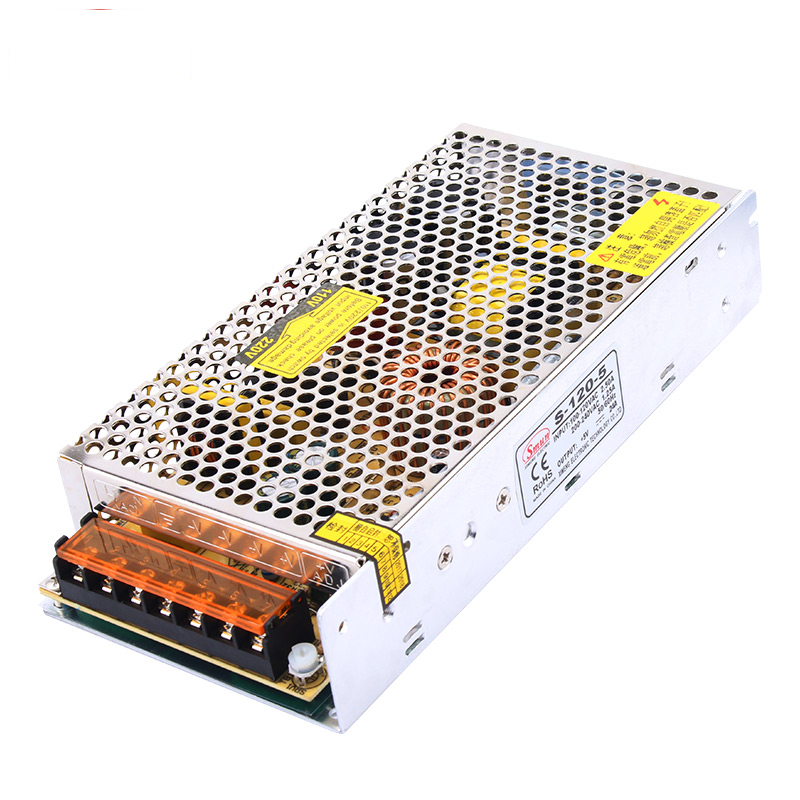
When choosing the right Switching Power Supply, it’s important to balance efficiency, size, and power requirements. For example, Smunchina offers a range of SMPS models tailored for various applications—from industrial equipment to consumer electronics.
Each model is designed to meet specific needs, such as power factor correction for energy-efficient operation or EMI filtering for sensitive equipment.
By evaluating your needs in terms of voltage, current, and application-specific requirements, you can select the perfect power supply for your system.
Switching Power Supplies from Smunchina
Smunchina also known as Smunchina, is a leading provider of Switching Power Supplies and power solutions across various industries. With a strong focus on efficiency, compact design, and reliability, their products are tailored for global markets and meet diverse power needs. Below is an overview of their product offerings and global reach.
Product Portfolio Overview
Smunchina's extensive product portfolio includes a variety of Switching Power Supplies and related power solutions, each designed for specific applications across industries. Here’s a closer look at the main product categories:
Product Category | Key Features | Applications |
Switching Power Supplies | High efficiency, compact size, low heat generation | Industrial automation, consumer electronics |
AC/DC Adapters | Provides AC to DC conversion, stable output | Laptops, smartphones, chargers |
DC-DC Converters | Converts DC voltage levels up or down, highly versatile | Automotive, telecom, renewable energy systems |
Inverters | Converts DC power into AC power, ideal for solar and wind applications | Solar power systems, backup power systems |
Each product in their portfolio is designed to deliver optimal performance while ensuring energy efficiency and durability. Their Switching Power Supplies are especially favored in industries where space, weight, and heat management are critical.
Global Reach and Industry Applications
Smunchina serves a global customer base, offering products that meet the needs of businesses in diverse regions, including Europe and Southeast Asia. The company’s commitment to high-quality manufacturing ensures that their solutions are trusted worldwide.
Global Presence
● Europe: With the growing demand for energy-efficient solutions in industrial automation and consumer electronics, Smunchina has expanded its market in Europe, providing reliable power solutions for a variety of sectors.
● Southeast Asia: Serving the rapidly growing markets in Southeast Asia, Smunchina’s products support industries ranging from telecommunications to medical devices, ensuring stable and efficient power conversion in critical applications.
Smunchina’s ability to adapt to global standards and regulatory requirements ensures that their power supplies remain reliable in demanding environments. Their products offer compatibility with universal input voltages and are optimized for both high and low power applications.
Industry-Specific Solutions
Smunchina’s products are used in numerous industries, including:
● Industrial Automation: Powering control systems and robotic machinery.
● Medical Devices: Providing precision power for sensitive equipment such as diagnostic tools and imaging devices.
● Consumer Electronics: Charging systems and other small electronics like laptops and mobile phones.
● Automotive & EV: Supplying power to electric vehicles and energy storage systems.
● Aerospace & Defense: Meeting the high-efficiency and reliability demands of avionics and defense systems.
Each application benefits from Smunchina’s switching power solutions, which prioritize efficiency, compactness, and global adaptability.
Conclusion
A Switching Power Supply provides high efficiency, compact design, and low heat generation. Smunchina offers reliable power solutions for various industries, ensuring efficient power conversion for all your needs.
FAQ
Q: What is a Switching Power Supply?
A: A Switching Power Supply (SMPS) is an efficient power converter that uses high-frequency switching to convert AC to DC, minimizing energy loss and heat generation.
Q: How does a Switching Power Supply work?
A: A Switching Power Supply works by rapidly switching a transistor on and off, using high-frequency signals to regulate voltage and convert power efficiently.
Q: What are the advantages of a Switching Power Supply?
A: Switching Power Supplies offer higher efficiency, compact design, and lower heat generation compared to traditional linear power supplies.
Q: Why are Switching Power Supplies used in consumer electronics?
A: Switching Power Supplies are ideal for consumer electronics because they provide reliable, efficient power in a small, lightweight form.
Q: Can a Switching Power Supply fail?
A: Yes, like any electronic component, a Switching Power Supply can fail. Common issues include capacitor aging and component wear over time.