When people discuss LED display performance, they often focus first on pixel pitch, brightness, cabinet structure, control systems, or screen resolution. Those factors are certainly important, but in our experience, one component is too often underestimated: the power supply. For any LED display, whether it is used for advertising, stage events, retail signage, transportation, or commercial communication, stable performance begins with stable power delivery. A display can only perform as well as the electrical foundation behind it. If the power supply is poorly selected, unstable, or mismatched to the application, even a high-quality LED screen can suffer from brightness inconsistency, flickering, color shift, overheating, or shortened service life. That is why we believe the power supply is not just an accessory in an LED system. It is one of the key elements that determines how reliably the display works day after day, in both normal and demanding environments.
What Is an LED Power Supply
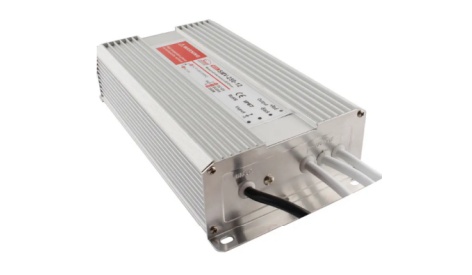
A power supply for an LED display is the component that converts incoming electrical power into the voltage and current required by the LED modules and control system. In most display systems, this means transforming AC input into stable DC output.
Its role sounds simple, but the actual impact is much broader. A power supply does not only deliver electricity. It helps determine whether the display operates smoothly, whether the brightness remains consistent, and whether sensitive electronic components are protected from electrical fluctuations.
For LED display systems, the power supply must do several things well:
Convert power efficiently
Maintain stable output voltage
Deliver sufficient current
Protect against overload and short circuit
Operate reliably under different temperatures and working conditions
If any of these functions are weak, the display may not perform as expected.
Why Stable Power Matters in LED Displays
LED displays are made up of many electronic components working together in real time. LED modules, receiving cards, controllers, fans, and sometimes auxiliary devices all depend on steady electrical input. When power is unstable, the entire system can become unstable.
A reliable power supply supports stable LED display performance in the following ways:
Power-Related Factor | Effect on LED Display Performance |
Stable voltage output | Helps maintain uniform brightness |
Consistent current delivery | Supports normal module operation |
Low ripple and noise | Reduces flickering and display disturbance |
High efficiency | Lowers heat generation and energy waste |
Protection functions | Helps prevent component damage |
Thermal stability | Supports long-term continuous operation |
This is why the power supply should be treated as a performance component, not just a basic electrical part.
The Connection Between Power Supply and Display Brightness Stability
One of the most visible signs of poor power management is inconsistent brightness. In an LED display, every module depends on proper voltage and current to produce stable light output. If the power supply fluctuates, the brightness may rise or fall unevenly.
This can lead to problems such as:
Different sections of the screen appearing brighter or darker
Temporary dimming during high load
Visible flicker in video playback
Poor image consistency during long operating hours
For commercial LED screens, brightness instability affects more than appearance. It can reduce communication effectiveness, weaken brand presentation, and create a poor impression in public-facing environments.
We often remind customers that stable brightness is not achieved by LED chips alone. It also depends heavily on a properly matched and dependable power supply.
How Power Supply Quality Affects LED Display Lifespan
A quality power supply contributes directly to the lifespan of an LED display system. Excessive voltage fluctuation, overheating, overload stress, and inefficient conversion all put pressure on electronic components.
Over time, unstable power can accelerate:
By contrast, a stable power supply helps the system run within its intended operating range. This reduces unnecessary electrical stress and helps extend the useful life of both the display and its supporting components.
Comparison of good and poor power supply impact
Power Supply Condition | Likely Result |
Stable and well-matched | Reliable performance and longer component life |
Undersized output | Load stress, shutdown, or unstable display |
Poor voltage regulation | Flicker, brightness inconsistency, or image disturbance |
Low efficiency | Higher temperature and energy waste |
Weak protection design | Greater risk of damage during faults |
The Role of Power Supply in Heat Control
Heat is a major issue in LED display systems, especially for outdoor screens, high-brightness installations, and long-duration operation. Every electrical component produces some heat, but inefficient power conversion creates more of it.
A high-quality power supply helps manage this by improving energy conversion efficiency. More efficient conversion means less power lost as heat. This supports overall thermal control inside the cabinet or display structure.
Why does this matter?
Lower heat helps protect internal components
Stable temperature improves reliability
Reduced thermal stress supports long-term operation
Cooling requirements may become easier to manage
In compact display cabinets, thermal performance is especially important. Poor power design can increase internal temperature and affect the stability of the entire screen.
Why Power Supply Matching Is So Important
Not every power supply is suitable for every LED display. Even a good product can underperform if it is not properly matched to the display’s electrical requirements.
When selecting a power supply, several factors must be considered:
A mismatch can create hidden risks. For example, if the power supply is too close to its maximum load during daily use, the operating margin becomes too small. That can increase temperature, reduce stability, and shorten life.
We usually recommend choosing a power supply not only by nominal specification, but by actual working conditions.
Indoor vs Outdoor LED Display Power Supply Requirements
Different installation environments place different demands on the power supply. Indoor LED displays often operate in more controlled conditions, while outdoor systems face higher temperatures, humidity changes, dust, and wider electrical fluctuations.
Typical differences
Application Type | Power Supply Focus |
Indoor LED display | Efficiency, compact size, quiet operation |
Outdoor LED display | Durability, protection, thermal stability |
High-brightness screen | Strong load handling and heat management |
Long-hour operation | Reliability and long-term consistency |
Outdoor applications especially need a power supply that can maintain stable output despite environmental stress. Otherwise, the display may experience intermittent performance issues that are difficult to diagnose later.
Power Supply and Flicker Reduction
Flicker is one of the most common display performance complaints, especially in systems used for close viewing, filming, broadcasting, or premium visual applications. While flicker can have several causes, the power supply is often one of the core factors.
A poor or unstable power supply may generate:
These conditions can negatively affect image smoothness. Even when the flicker is not obvious to the naked eye, it may still appear in camera recording or impact perceived display quality.
A stable power supply helps reduce this risk by providing clean and consistent electrical support for the display modules and control system.
Final Thoughts
Understanding why LED power supply is important for stable LED display performance helps explain why some displays remain reliable and visually consistent over time while others develop recurring issues. In our view, the power supply is a central part of the display system because it directly affects brightness stability, flicker control, thermal performance, safety, energy efficiency, and overall service life. Even the best LED modules and control systems cannot deliver consistent results if the electrical foundation is weak. That is why careful power supply selection, proper matching, and dependable product quality should always be part of LED display planning and manufacturing.
For companies that want to learn more about power supply solutions and product options for LED display applications, Zhejiang Ximeng Electronic Technology Co., Ltd. is worth exploring further. If you are evaluating reliable components for your next project, contacting the company can be a practical step toward finding a suitable solution based on your technical and commercial needs.
FAQ
1. Why is a power supply important in an LED display system?
A power supply is important because it provides the stable voltage and current needed for the LED display to operate correctly. Without stable power, the display may flicker, dim unevenly, or become less reliable.
2. Can a poor power supply affect LED display brightness?
Yes, a poor power supply can cause unstable brightness. If output voltage or current is inconsistent, different parts of the LED display may appear uneven or experience visible performance changes during operation.
3. How does power supply efficiency influence LED display performance?
Higher power supply efficiency reduces wasted energy and lowers heat generation. This supports better thermal control, helps protect internal components, and contributes to stable LED display performance over time.
4. What should I look for when choosing a power supply for an LED display?
You should consider voltage, current capacity, efficiency, protection functions, thermal performance, and application environment. A properly matched power supply is essential for stable LED display performance and long-term reliability.